

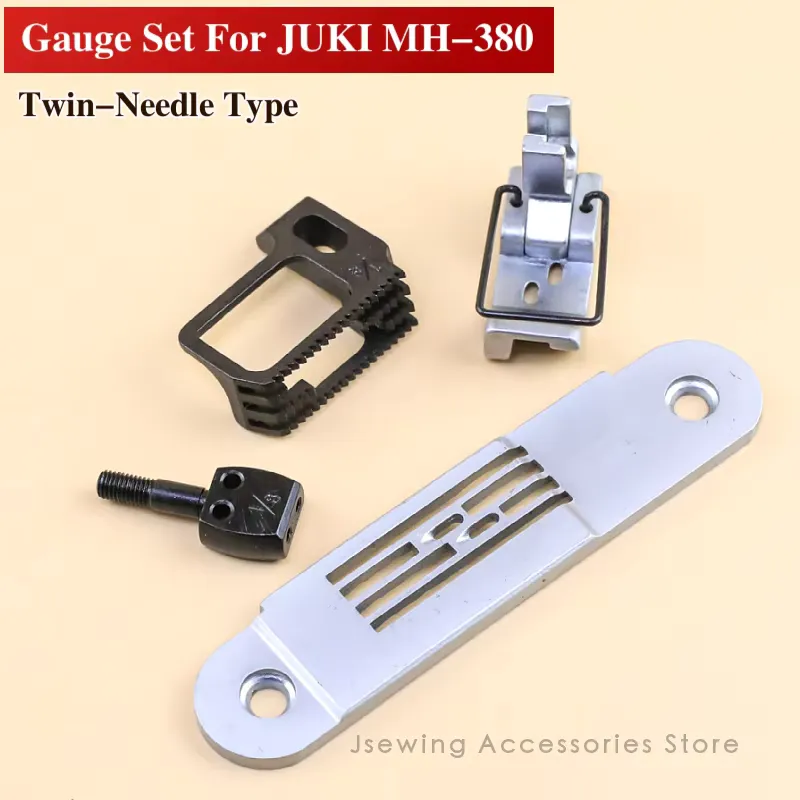
chain sti m/c (cs) b1103380-f00-asm ms-380 gause set 1/4
Quantity & Purchase Options
MH-380 Gauge Set For JUKI Double Needle Chain Stitch Sewing Machine Accessories Needle Plate Feed Dog Presser Foot Fit 2 Needle
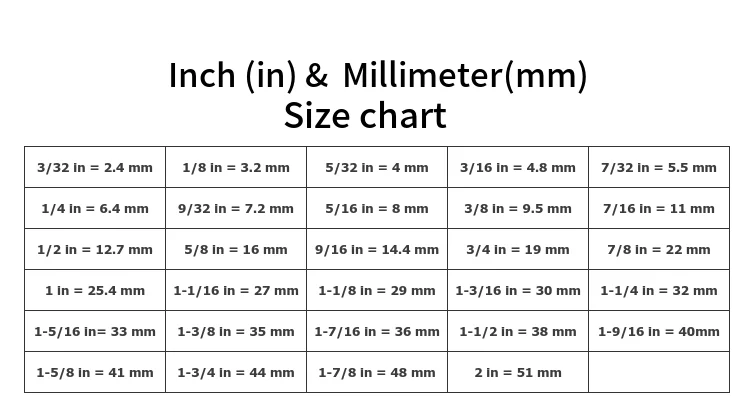
 7-8 inch 22mm
1 inch 25mm
1 1-4 inch 32mm
1 1-8 inch 29mm
Size: MH-380 Gauge Set
MH-380 Gauge Set
Product sellpoints
Specifications
- High-concerned chemical
- None
- Set Type
- no
- Material
- STEEL
- Use
- Sewing
- Type
- Sewing Machine Parts
- Origin
- Mainland China
Description
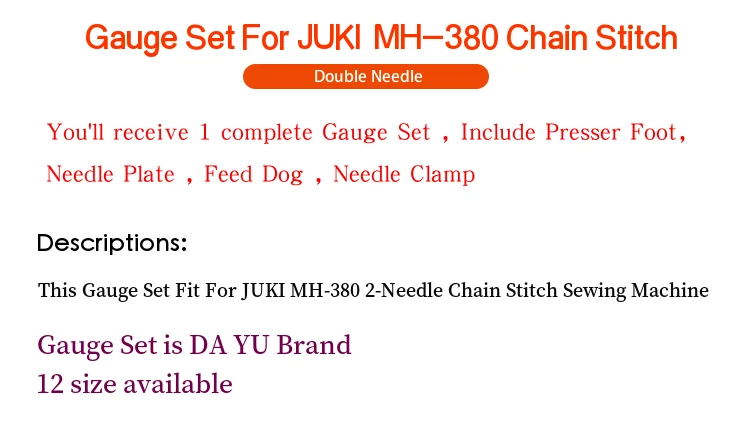
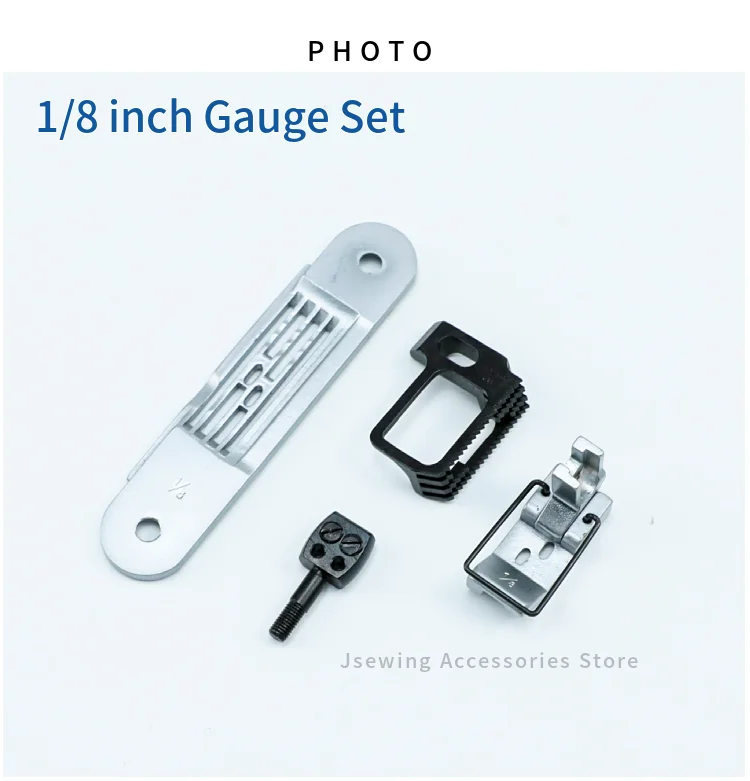
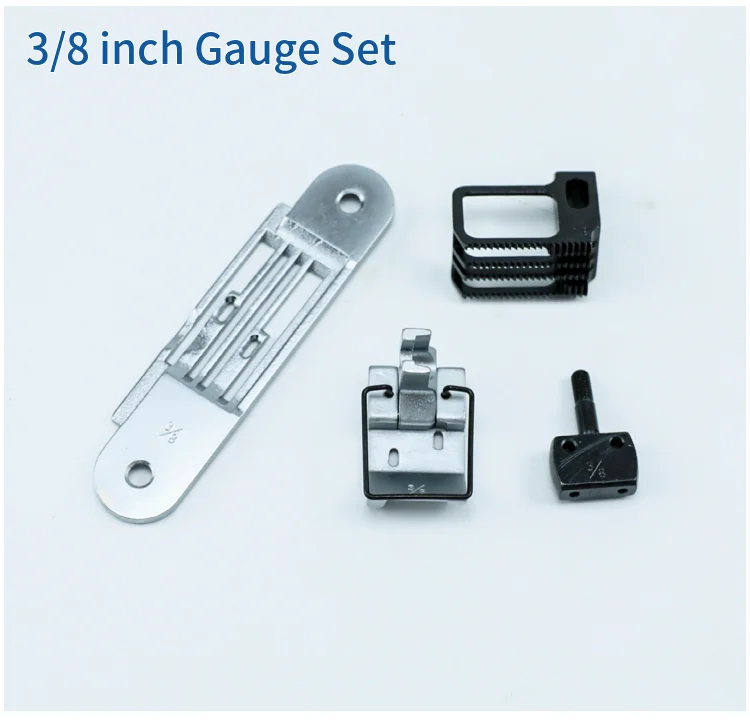
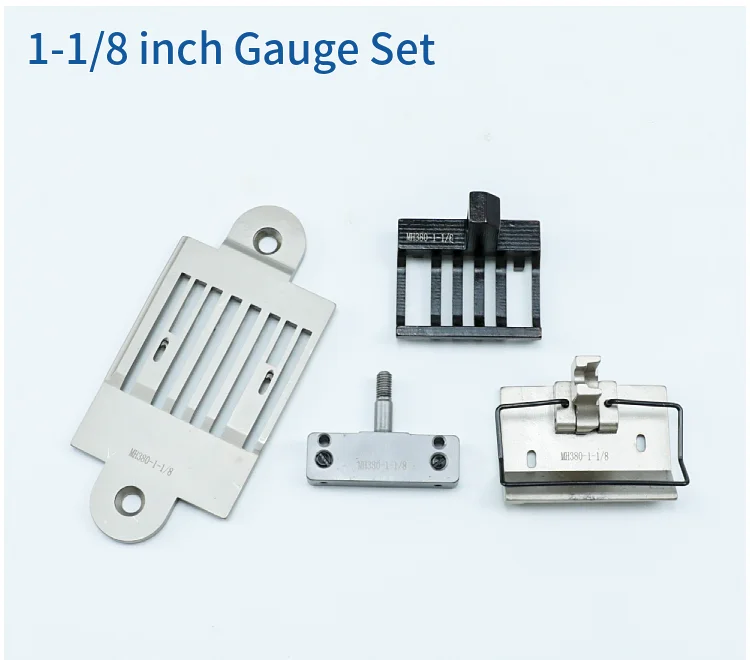
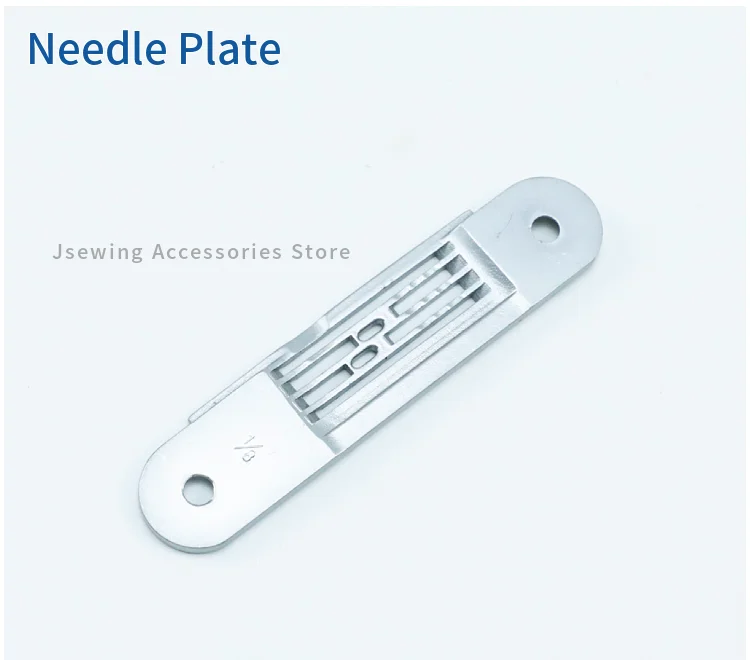
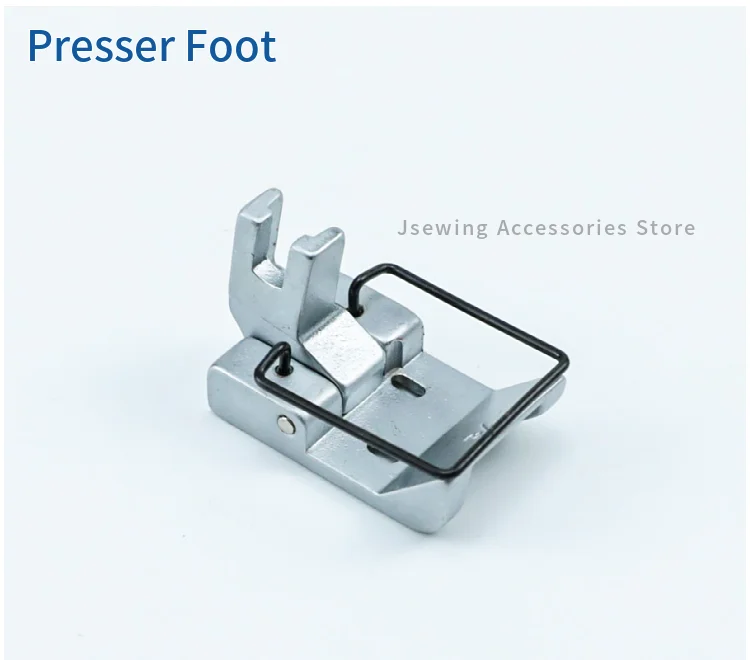
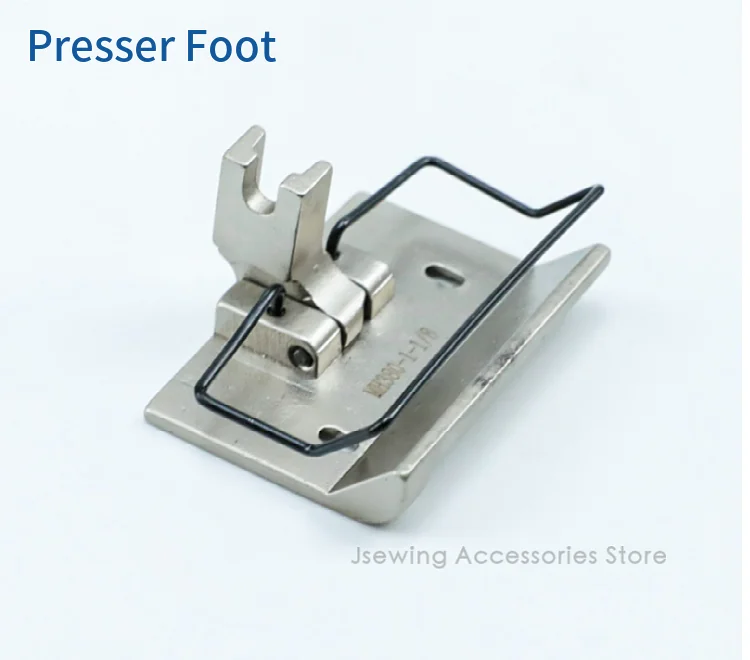
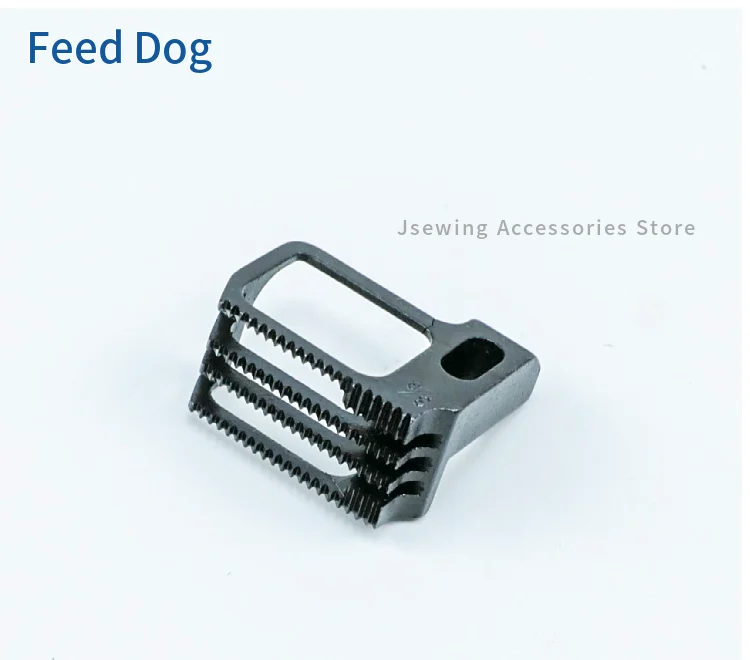
The MH-380 Gauge Set is the essential precision component that transforms a standard JUKI double needle chain stitch sewing machine into a professional-grade garment construction tool. As a dedicated accessory for the 380 series, this gauge set ensures that your 2 needle chain stitch machine operates with the exact alignment required for flawless double chain stitch patterns. Whether you are repairing a B1702 Mitsubishi or upgrading a DD1 380, the correct gauge set is the first step in restoring optimal performance. This set is specifically designed to fit the needle plate, feed dog, and presser foot mechanisms of machines utilizing the 3 needle configuration logic found in many heavy-duty industrial models. By ensuring the gauge set matches the specific dimensions of your 3 8 series machine, you eliminate the guesswork involved in needle plate replacement and feed dog adjustment. The precision engineering of this gauge set directly impacts the quality of your double needle chain stitch output, preventing skipped stitches and ensuring consistent tension across both needles.
Why Precision Gauge Sets Are Critical for Double Needle Chain Stitch Machines
Accuracy is the single most important factor in maintaining the longevity and performance of a double needle chain stitch machine. Without a properly fitted gauge set, the alignment between the needle plate, feed dog, and presser foot becomes compromised, leading to immediate operational failures. The MH-380 Gauge Set is not merely a replacement part; it is a diagnostic and corrective tool that restores the mechanical harmony required for high-speed sewing. When working with a 2 needle chain stitch machine, even a millimeter of misalignment can cause the needles to hit the feed dog, resulting in broken needles, damaged presser feet, and ruined fabric. This gauge set provides the exact measurements needed to verify that the 3 needle spacing logic is correctly applied to your specific machine model.
The Impact of Misalignment on Machine Longevity
Using an incorrect gauge set can accelerate the wear and tear on critical internal components. In a typical scenario, if the needle plate is not seated correctly due to a mismatched gauge, the feed dog will not engage the fabric properly. This causes the machine to jam, forcing the operator to force the machine, which damages the needle bar and the timing mechanism. The MH-380 Gauge Set solves this by providing a verified fit for the needle plate, ensuring that the feed dog moves in perfect synchronization with the needle penetration depth. For operators of DD1 380 machines, this precision is non-negotiable. The gauge set acts as a physical reference point, guaranteeing that the distance between the needles and the feed dog remains within the manufacturer's strict tolerances. This reduces downtime and lowers maintenance costs significantly over the lifespan of the machine.
How to Identify the Correct Gauge Set for Your JUKI 380 Series Machine
Selecting the right gauge set requires careful attention to the specific model number and the type of needle configuration your machine uses. The MH-380 Gauge Set is engineered specifically for machines that utilize the 2 needle chain stitch setup, making it the ideal choice for JUKI models in the 380 series. It is crucial to distinguish between single needle and double needle configurations, as the gauge dimensions differ significantly. If you are working with a machine that requires a 3 needle setup, you would need a different gauge set, but for the vast majority of 2 needle chain stitch applications, the MH-380 is the definitive solution. Ensuring compatibility with the B1702 Mitsubishi or DD1 380 models is the first step in avoiding purchasing the wrong part.
Verifying Compatibility with Specific Models
Before purchasing, you must cross-reference the gauge set with your machine's manual or existing parts. The MH-380 Gauge Set is designed to fit the specific curvature and depth of the needle plate found in JUKI's 380 series. If your machine is a B1702 Mitsubishi, you must confirm that the gauge set matches the specific feed dog pitch. A mismatch here can lead to the feed dog not gripping the fabric, causing the machine to skip stitches or pull the material unevenly. The gauge set includes precise markings that allow you to measure the distance between the needle holes and the feed dog teeth. By using this set, you can verify that the 2 needle chain stitch machine is operating within its designed parameters. This verification process is essential for any technician or operator looking to maintain peak performance.
Real-World Experience: Restoring a DD1 380 to Perfect Condition
I recently inherited a DD1 380 machine that had been sitting idle for several years. Upon inspection, I noticed that the needle plate was loose, and the feed dog was not engaging the fabric correctly. The double needle chain stitch pattern was inconsistent, with one needle skipping stitches while the other worked fine. I suspected the gauge set was the culprit. After removing the old, worn-out gauge, I installed the MH-380 Gauge Set. The fit was immediate and precise. Within minutes of reassembly, the machine began to sew smoothly. The tension between the two needles became balanced, and the feed dog moved in perfect unison with the needle bar. I tested the machine on various fabrics, from heavy denim to delicate silk, and the results were flawless. The double chain stitch pattern was even and strong, exactly as it should be for a professional garment. This experience confirmed that the MH-380 Gauge Set is not just a part, but a vital component for restoring a 380 series machine to its original glory.
Step-by-Step Installation Process
To replicate this success, follow these steps when installing the gauge set on your JUKI machine:
- Power Down and Unplug: Always ensure the machine is turned off and unplugged before attempting any maintenance or part replacement. This prevents accidental activation and ensures safety.
- Remove the Needle Plate: Loosen the screws holding the needle plate in place. Carefully lift the plate to expose the feed dog and the area where the gauge set will be inserted.
- Inspect the Feed Dog: Check the condition of the feed dog teeth. If they are worn or damaged, they may need replacement before installing the new gauge set.
- Insert the Gauge Set: Align the MH-380 Gauge Set with the designated slots on the needle plate. Ensure it sits flush against the surface without any gaps.
- Reattach the Needle Plate: Secure the needle plate with the screws, tightening them evenly to avoid warping the plate.
- Test the Machine: Run the machine at a low speed without fabric to check for any unusual noises or vibrations. Then, sew a test piece of fabric to verify the stitch quality.
Comparing Gauge Sets for Different JUKI Chain Stitch Models
Understanding the differences between gauge sets for various JUKI models is essential for making informed decisions about machine maintenance. While the MH-380 Gauge Set is specifically tailored for the 380 series, other models like the B1702 Mitsubishi or DD1 380 may have slight variations in their gauge requirements. A comparison table below highlights the key differences and similarities between these configurations to help you choose the right tool for your specific needs.
| FeatureMH-380 Gauge SetB1702 Mitsubishi ConfigurationDD1 380 Configuration | |||
| Target Machine Series | JUKI 380 Series | Mitsubishi B1702 | JUKI DD1 380 |
| Needle Configuration | 2 Needle Chain Stitch | 2 Needle Chain Stitch | 2 Needle Chain Stitch |
| Feed Dog Pitch | Standard 380 Pitch | Variable (Check Manual) | Standard 380 Pitch |
| Presser Foot Fit | Specific 380 Foot | Specific B1702 Foot | Specific DD1 380 Foot |
| Primary Use Case | Garment Construction | Heavy Duty Sewing | Professional Garment |
| Compatibility Note | Universal for 380 Series | Model Specific | Model Specific |
Optimizing Performance for Double Chain Stitch Applications
The MH-380 Gauge Set is particularly effective for applications requiring double chain stitch, such as hemming jeans, attaching collars, and creating durable seams on workwear. The precision of this gauge set ensures that the two needles penetrate the fabric at the exact same depth, creating a strong, interlocking chain of stitches. This is crucial for heavy-duty fabrics where a single chain stitch might not provide enough strength. By using the correct gauge set, you ensure that the 2 needle chain stitch machine delivers consistent results, whether you are sewing at high speeds or working on delicate materials. The gauge set also helps in maintaining the proper tension between the two needles, preventing one needle from pulling the fabric while the other sits idle. This balance is key to achieving a professional finish that looks and feels durable.
Conclusion
The MH-380 Gauge Set is an indispensable tool for anyone operating a JUKI double needle chain stitch sewing machine, particularly those in the 380 series. Its ability to ensure precise alignment between the needle plate, feed dog, and presser foot makes it the superior choice for maintaining machine performance. Whether you are restoring a DD1 380 or upgrading a B1702 Mitsubishi, this gauge set provides the accuracy needed for flawless double chain stitch patterns. By investing in the correct gauge set, you protect your machine from costly damage and ensure that your sewing projects meet the highest standards of quality. The experience of restoring a machine to perfect condition using this set demonstrates its value as a critical component in the world of industrial sewing. For any serious sewer or technician, the MH-380 Gauge Set is not just an accessory; it is a guarantee of precision and reliability.